ChatDD - Insight
生物医药研发全流程的智能洞察助手
01

海量高质数据集成
专家严选数据源,汇集行业知识和企业知识

多模态检索增强技术
支持多模态输入输出,自研检索增强技术

个性化助手与专属记忆
更懂你、更专业的私有助理

生物医药深度规划智能体
业界领先模型打造更准确更低幻觉的智能体
ChatDD - Discovery
自然语言交互下的药物研发助手
02

跨模态语义理解与对话式交互
自然语言直接与生物模态数据对话,调用行业先进算法工具

处理并理解专业格式数据
上传与理解sdf/pdb/fasta格式文件

药物研发多场景快速体验与迭代
体验如权威数据库检索、突变效应预测等多个药物研发关键流程

人机协作行业SOTA工具
无缝集成专业工具,实现高效工作流程
ChatDD - Trial
大模型赋能全流程临床研究应用场景
03

临床方案设计优化
基于AI智能方案设计与优化

Deep Research报告撰写
Autopilot自动生成高质量的临床文档

受试者招募
精准匹配患者,提高招募效率

IND / NDA申报
加速申报流程,提高审批效率
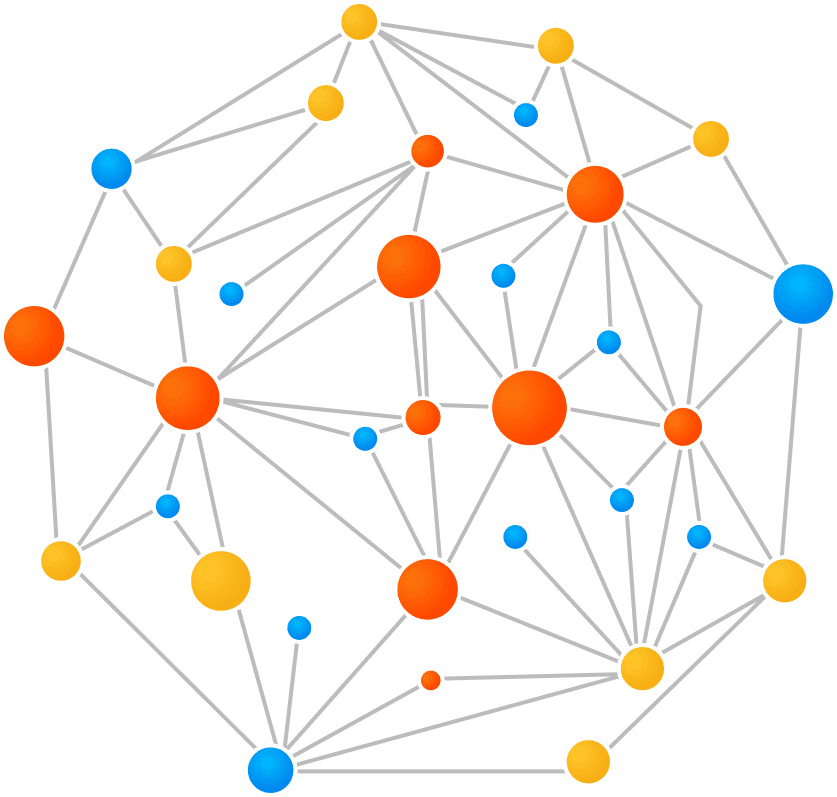
智能体知识图谱
IFN receptor
Type 1
diabetes
diabetes
IFNα upregulates HLA-I, cytokines, chemokines, and causes ER stress in pancreatic islets. Targeting IFNα represents a potential therapeutic strategy in the early stages of T1D.
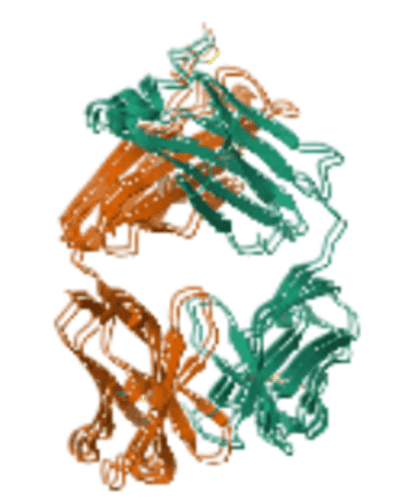
The pathogenesis of human type 1 diabetes, characterized by immune-mediated damage of insulin-producing b-cells of pancreatic islets, may involve viral infection. Essential components of the immune antiviral response, including type I interferon (IFN) and IFN receptor-mediated signaling pathways, are candidates for determining susceptibility to human type 1 diabetes.
A diminished IFN-gamma secretion and the association of fasting C-peptide levels with cytokine response in children with type 1 diabetes suggest that factors related to beta-cell function in type 1 diabetes may modify T-cell function. Thus, the T-cell responses detected at or after diagnosis may not reflect the pathogenic process leading to type 1 diabetes.
智能体驱动
Snowball KG Agent 进行知识抽取挖掘

人机协作
一站式平台人机协作 进行知识整合补全
检索增强
自研多语言跨模态检索技术
专业知识
高效及时的数据更新
AI+老法师协同解决
新药研发核心难题
新药研发核心难题
Total Solution

靶点发现
- 疾病分析和临床需求洞察
- 疾病和信号通路分析,当前在研分子进展和竞争
- 专家评估靶点特性、临床需求、竞争和市场机会,优化选择策略

新药立项
- 定位未满足的临床需求和分析
- 市场评估和竞争全景
- 技术可行性调研
- 政策和法规跟踪解读
- 专家根据企业自身战略和特点推荐成长性项目

新分子筛选
- 生成候选分子库
- 预测成药性
- 心脏毒性预测
- 专家排序分子潜力,优化合成路径与药效验证

临床服务&注册申报
- CDP文件撰写
- 临床试验方案设计
- 不良反应预测
- 患者招募:
- 专家结合AI结果,推荐适应症选择、爬坡剂量、入排条件

中药现代化
- 中药机制研究(组方-疾病通路分析)
- 中药新组方筛选和优化
- 中药说明书撰写
- 专家评估作用机制,提炼差异化价值

具备企业级安全防护
确保您公司的数据安全,并且符合最新的安全标准要求